Hepatitis C

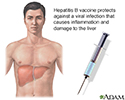
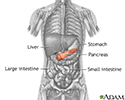
Hepatitis C is a viral disease that leads to swelling (or inflammation) of the liver. If you've been diagnosed with hepatitis C, you may be worrying about your health. Let's answer some questions you may have about hepatitis C.

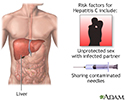
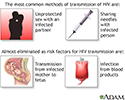
Hepatitis C is irritation and swelling of the liver from infection with the hepatitis C virus. You can get hepatitis C if you have been on long-term kidney dialysis, or have regular contact with blood at work (such as a health care worker), have unprotected sex with someone infected with hepatitis C, use injected street drugs or share a needle with someone who has hepatitis C, received a tattoo or acupuncture from contaminated instruments, although the risk is low with licensed, commercial tattoo shops, received blood or organs from a donor who has hepatitis C, share a toothbrush or razors with someone who has the disease, or were born to a mother infected with hepatitis C.

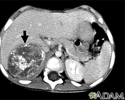
Most people newly infected with hepatitis C virus will not have symptoms. About 10 percent will have jaundice (or yellow skin) that gets better. The bad news is that most people infected with hepatitis C will have it for a long time, usually with no symptoms. Typically, long-term hepatitis C infection can lead to liver scarring, a condition called cirrhosis, or even liver cancer.

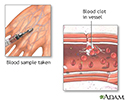
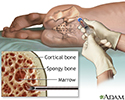
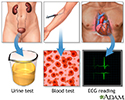
If your doctor suspects hepatitis C, you will need blood tests to confirm the diagnosis. If you've had the disease for a long time, you doctor can use a procedure called a liver biopsy to see how much damage has been done to your liver.

You will need to take medicine to try to remove the virus from your blood and reduce your risk of cirrhosis and liver cancer. The most common medications are a combination of pegylated interferon alfa and ribavirin, an antiviral medication. Pegylated interferon alfa is an injection you will probably receive weekly. You can take ribavirin as a capsule twice a day. Treatment may last up to 48 weeks.

Most people with hepatitis C have the chronic form. But some people may get better with treatment, although they may need continued testing. Even if treatment doesn't remove the virus from your blood, it can reduce your chance of severe liver disease.

Hepatitis C

BookmarkBookmark

Review Date: 7/22/2025

Reviewed By: Todd Eisner, MD, Private practice specializing in Gastroenterology in Boca Raton and Delray Beach, Florida at Gastroenterology Consultants of Boca Raton. Affiliate Assistant Professor, Florida Atlantic University School of Medicine. Review provided by VeriMed Healthcare Network. Also reviewed by David C. Dugdale, MD, Medical Director, Brenda Conaway, Editorial Director, and the A.D.A.M. Editorial team.

The information provided herein should not be used during any medical emergency or for the diagnosis or treatment of any medical condition. A licensed medical professional should be consulted for diagnosis and treatment of any and all medical conditions. Links to other sites are provided for information only -- they do not constitute endorsements of those other sites. No warranty of any kind, either expressed or implied, is made as to the accuracy, reliability, timeliness, or correctness of any translations made by a third-party service of the information provided herein into any other language.

© 1997- A.D.A.M., a business unit of Ebix, Inc. Any duplication or distribution of the information contained herein is strictly prohibited.

All content on this site including text, images, graphics, audio, video, data, metadata, and compilations is protected by copyright and other intellectual property laws. You may view the content for personal, noncommercial use. Any other use requires prior written consent from Ebix. You may not copy, reproduce, distribute, transmit, display, publish, reverse-engineer, adapt, modify, store beyond ordinary browser caching, index, mine, scrape, or create derivative works from this content. You may not use automated tools to access or extract content, including to create embeddings, vectors, datasets, or indexes for retrieval systems. Use of any content for training, fine-tuning, calibrating, testing, evaluating, or improving AI systems of any kind is prohibited without express written consent. This includes large language models, machine learning models, neural networks, generative systems, retrieval-augmented systems, and any software that ingests content to produce outputs. Any unauthorized use of the content including AI-related use is a violation of our rights and may result in legal action, damages, and statutory penalties to the fullest extent permitted by law. Ebix reserves the right to enforce its rights through legal, technological, and contractual measures.

Animations

Browse All

Illustrations

Browse All

Presentations

Browse All