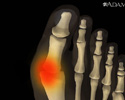
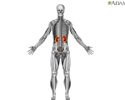
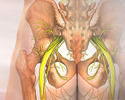
You used to take for granted that you could play a whole game of tennis or basketball without pain. But years of wear and tear have left their mark on your joints, and now your knees and hips hurt so much you can barely bend them. The pain you're feeling may be due to osteoarthritis, a problem many of us face as we get older.
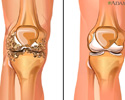
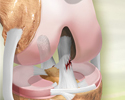
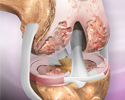
We all start out life with a thick layer of cartilage that cushions our joints in the space where the bones meet. That cartilage allows us to twist our legs to kick a soccer ball, or jump to shoot a basket. But years of running, jumping, and climbing stairs can wear out that cushion, leaving the bones rubbing painfully against each other.
By age 70, just about everyone feels some pain and stiffness from osteoarthritis, especially when they get up in the morning or after they've overused the joint. You're more likely to have osteoarthritis if you're overweight. It's similar to what happens when you put extra weight on your bed. Eventually, you'll push on the springs so hard that you'll wear them out. The same is true for your joints. People who've had joint injuries or who have played certain sports are also more likely to get osteoarthritis.
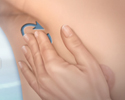
When you see your doctor about joint pain and stiffness, he'll check how well the joint moves and look for swelling around it. You probably won't be able to move the joint all the way. And when you do move it, it's likely to hurt and may make a cracking sound. An x-ray can confirm that you've lost cartilage around the joint.
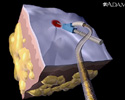
Unfortunately, there's no cure for osteoarthritis. But there are treatments to relieve the pain, including physical therapy, knee taping, special low load exercise programs, such as swimming, cycling, walking or stretching, and Tai chi in particular can be great for flexibility and strength. Over-the-counter medicines like topical Capsaicin, oral acetaminophen, aspirin, ibuprofen, and naproxen may help. Mud pack therapy may increase the benefit of whatever else you're doing. Your doctor may recommend getting a steroid injection into the joint to both relieve pain and reduce swelling. Another method, which injects artificial joint fluid into the knee, can relieve pain longer term, for up to six months.
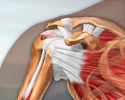
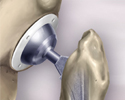
If the joint damage is really bad, you may need surgery to trim off damaged cartilage or to replace the affected joint in the knee, hip, shoulder, or elbow with an artificial joint. This is called joint replacement surgery, and is quite common for the both damaged hip and knee joints.
Although it may hurt to move, staying active can help keep your joints healthy. Exercising can also help you lose the weight that's putting pressure on your sore joints. Ask your doctor to recommend a physical therapist, who can teach you exercises that strengthen the muscles supporting your joints.
Osteoarthritis is different in everyone. Some people can get around fine with it while others have trouble doing even the simplest tasks, like bending down to get the morning paper. Before your joints get so stiff and painful that they limit your lifestyle, talk to your doctor about treatment and prevention options that can help you get around more like you used to.

 Bookmark