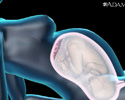
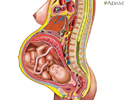
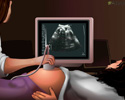
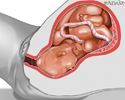
When it's not possible or safe for a woman to deliver a baby naturally through her vagina, she will need to have her baby delivered surgically, a procedure referred to as cesarean section, or C-section.
I know this is a controversial topic recently, sometimes people talk C-sections being done too often. That may be true, but when it is necessary, it can be life saving for mother or baby.
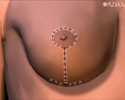
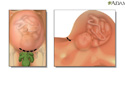
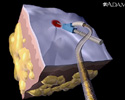
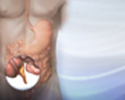
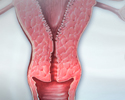
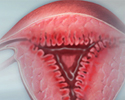
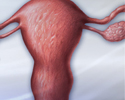
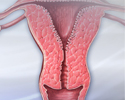
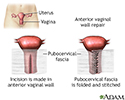
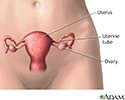
A C-section is the delivery of a baby through a surgical opening in the mother's lower belly area, usually around the bikini line. The procedure is most often done while the woman is awake. The body is numbed from the chest to the feet using epidural, or spinal, anesthesia. The surgeon usually makes a cut or incision across the belly just above the pubic area. The surgeon opens the womb, or uterus, and the amniotic sac, then delivers the baby.
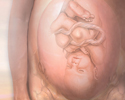
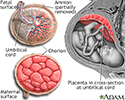
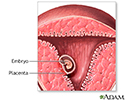
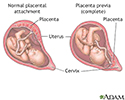
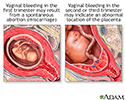
A woman may have a C-section if there are problems with the baby, such as an abnormal heart rate, abnormal positions of the baby in the womb, developmental problems in the baby, a multiple pregnancy like triplets, or when there are problems with the placenta or umbilical cord.
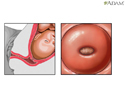
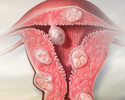
A C-section may be necessary if the mother has medical problems, such as an active genital herpes infection, large uterine fibroids near the cervix, or if she is too weak to deliver due to severe illness.
Sometimes a delivery that takes too long, caused by problems like getting the baby's head through the birth canal, or in the instance of a very large baby may make a C-section necessary.
Having a C-section is a safe procedure. The rate of complications is very low. However, there are some risks, including infection of the bladder or uterus, injury to the urinary tract, and injury to the baby. A C-section may also cause problems in future pregnancies.
The average hospital stay after a C-section is 2 to 4 days, and keep in mind recovery often takes longer than it would from a vaginal birth. Walking after the C-section is important to speed recovery and pain medication may be supplied too as recovery takes place.
Most mothers and infants do well after a C-section, and often, a woman who has a C-section may have a vaginal delivery if she gets pregnant again.

 Bookmark